Love charms & aphrodisiac talismans
Meaning
Love charms and aphrodisiac talismans include carved mandrake roots (alraun, human-shaped roots believed to scream when pulled), love knots, hearts, Filipino gayuma, Melanesian love charms and Venus talismans in copper.
Intent
They were used to attract, keep or win back a lover, to increase desire and fertility, or to bind a marriage. The mandrake was also kept as a household spirit for wealth.
Significance
Love magic is one of the most widespread human practices, and legal records from the Roman defixiones to early modern witch trials show how often it was used. The mandrake legend appears in Genesis and in Harry Potter.
History
Love charms appear in the Greek Magical Papyri (3rd–5th century CE). Mandrake alraun were popular in 16th–17th century Germany, and folk love charms continue worldwide.
Making yours
Very varied. Carved root, wax, cloth pouches of herbs, engraved copper (Venus’s metal).Sexual & Erotic Charms: the tradition
Sexual imagery is one of the oldest and most universal forms of protection. Fertility is life itself, and the exposed phallus or vulva was believed to shock, amuse or distract malevolent forces, especially the evil eye. Egypt had its ithyphallic gods, Rome its fascinum on every child, doorway and chariot, medieval Europe its obscene badges and sheela-na-gigs, Thailand and Japan their phallic shrines and charms, China its 'spring palace' coins for newlyweds. Victorian collectors hid much of this material in 'secret museums' such as the Gabinetto Segreto in Naples and the British Museum's Secretum, and only in the late 20th century was it studied openly as religion and social history.
 Amulett mit LiebeszauberHermoupolis Magna
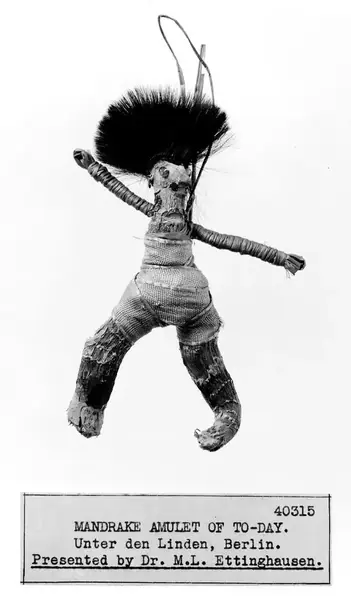 Mandrake amulet of today.United Kingdom
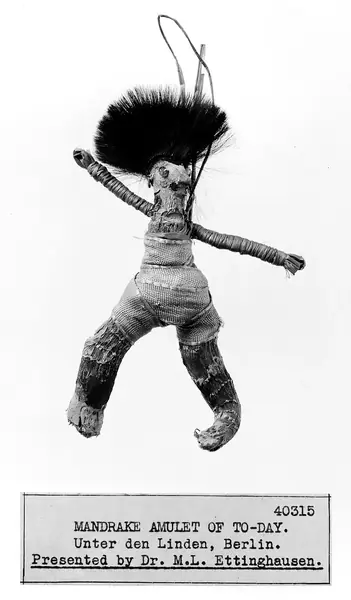 Mandrake amulet of today.Germany
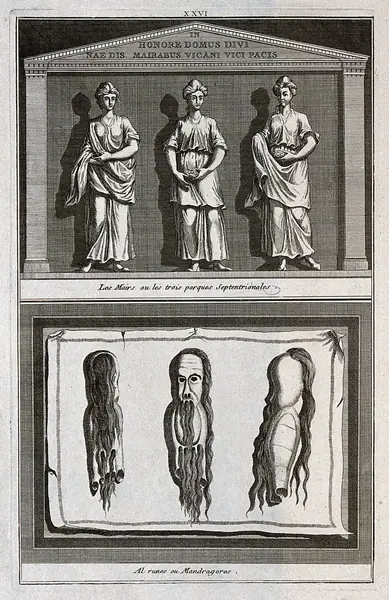 Three mother-goddesses or fates (above); three mandrake charms (below). Engraving.
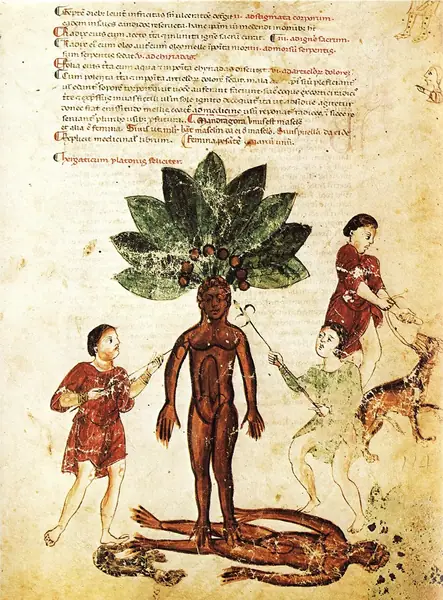 Ernte eines Alrauns (Medicina antiqua)
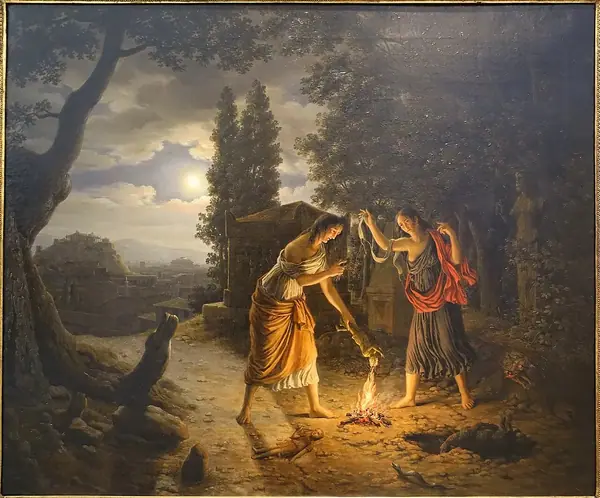 German: Römischer Liebeszauber Roman Love Spells title QS:P1476,de:"Römischer Liebeszauber " label QS:Lde,"Römischer Liebeszauber " label QS:Len,"Roman Love Spells"
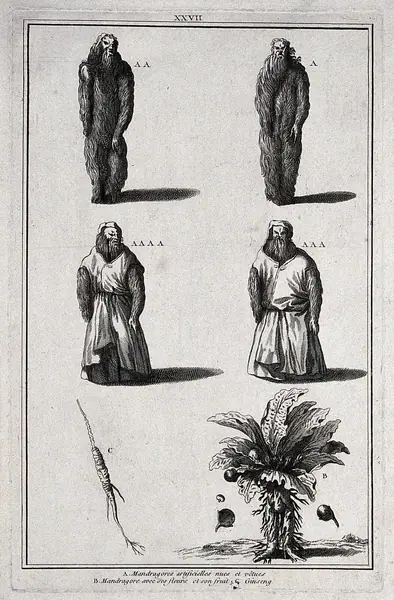 Mandrake roots in human form; the mandrake plant; ginseng. Engraving.
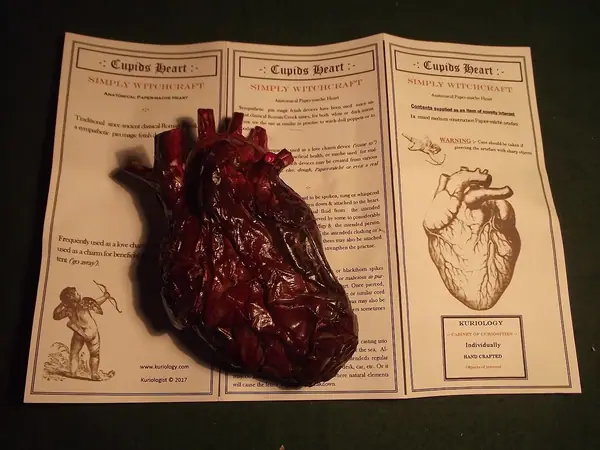 Paper Anatomical Heart Curse or Talisman Love Charm created by Kuriologist
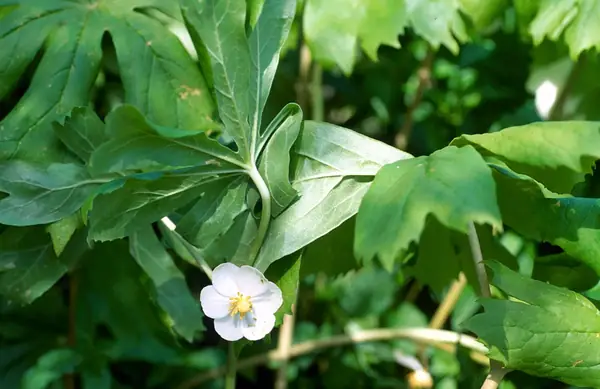 Podophyllum peltatum (American mandrake)
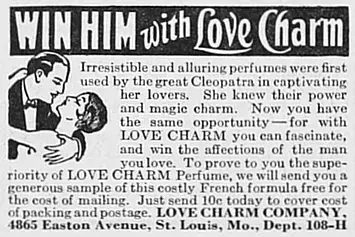 Photoplay - 1929.08 - 126 - Love Charm
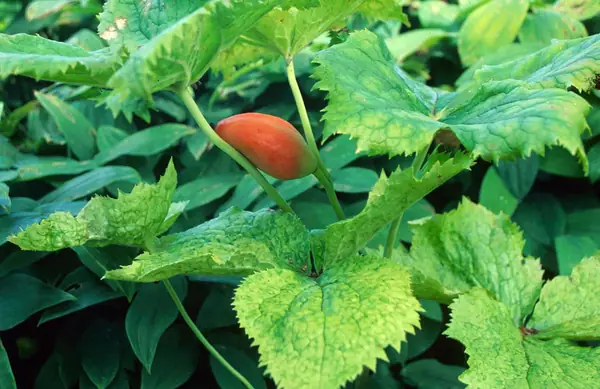 Podophyllum hexandrum (Indian mandrake)
 The Love Charm (1921) - 1
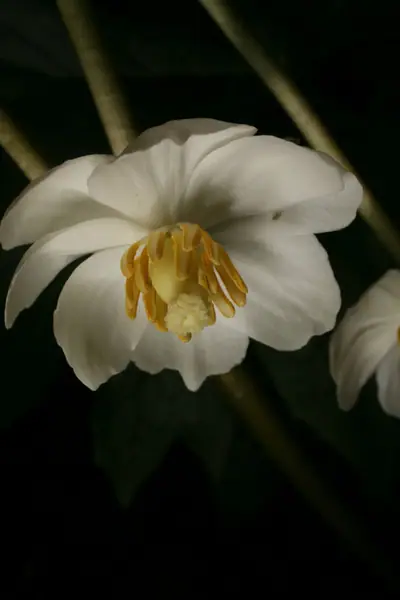 Podophyllum peltatum (May apple or American mandrake)
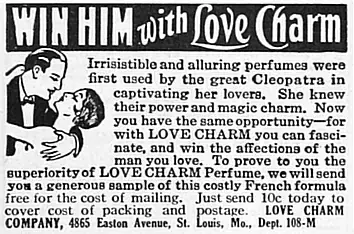 Photoplay 1929.12 - 152 - Love Charm
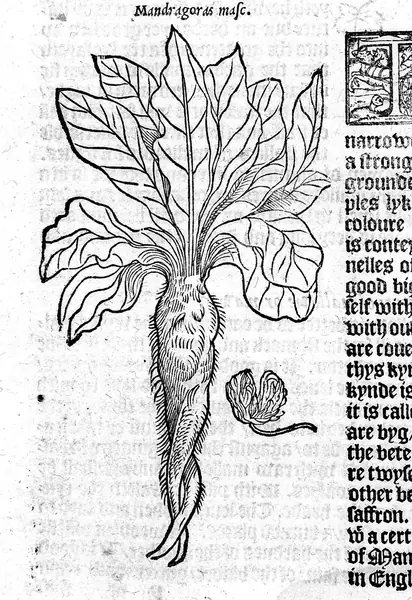 Mandrake: male.
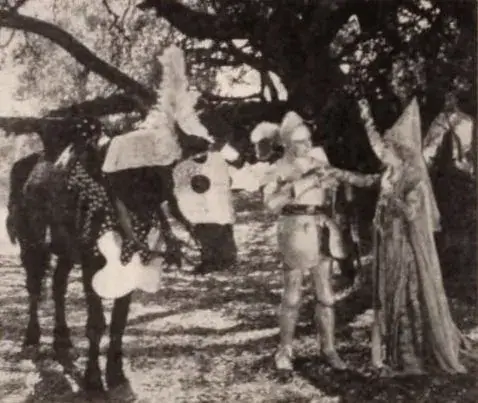 The Love Charm (1921) - 3
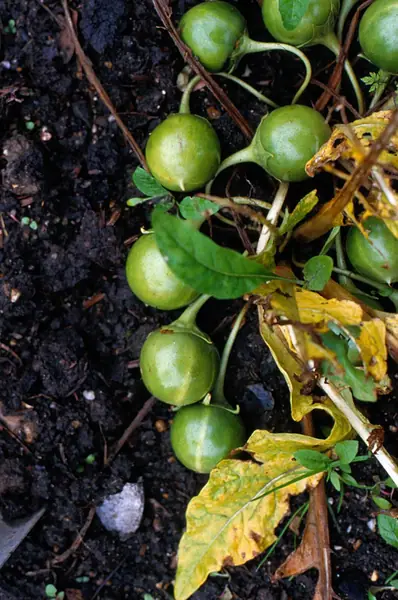 Mandragora officinarum (Mandrake)
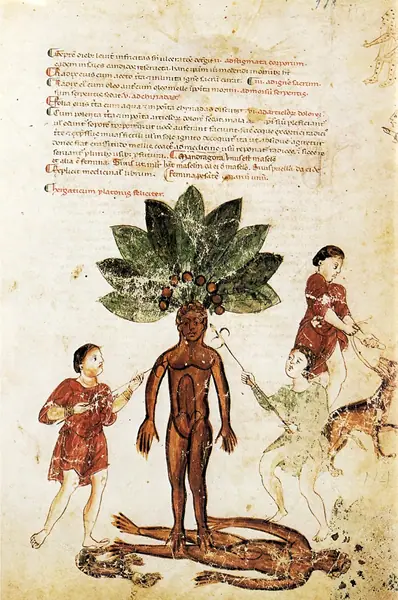 Alraunenernte (Medicina Antiqua)
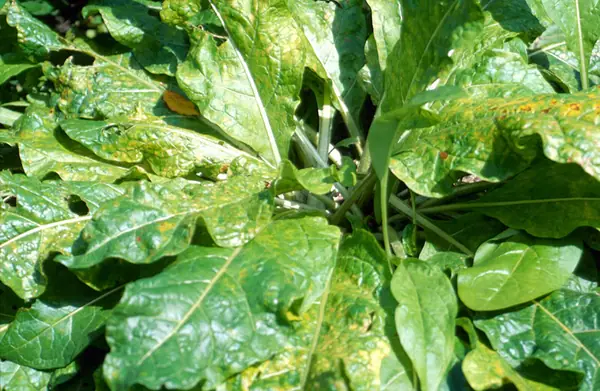 Mandragora officinarum (Mandrake)
 Anand Bhatt and Vh1 Flavor of Love and Flavor of Love Charm School Hottie
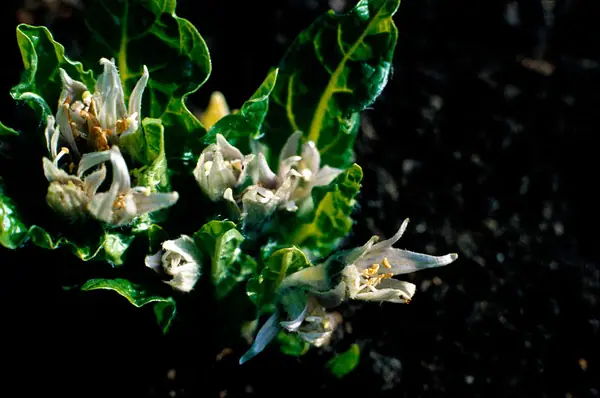 Mandragora officinarum (Mandrake)
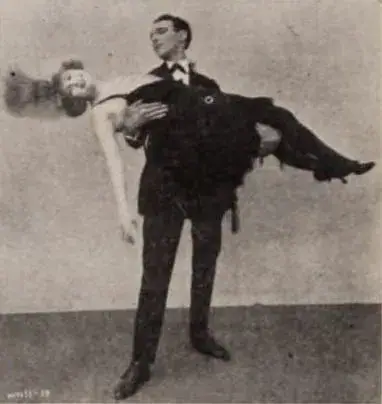 The Love Charm (1921) - 4
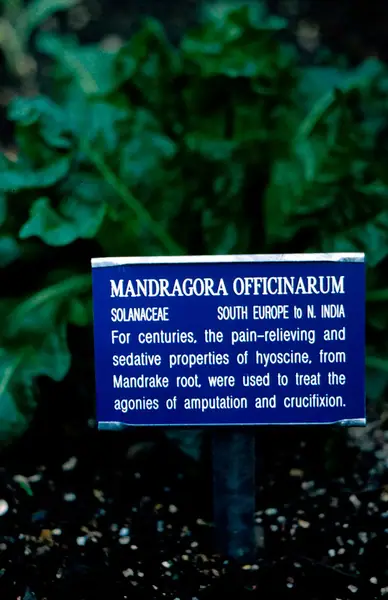 Mandragora officinarum (Mandrake)
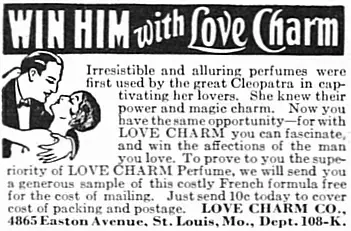 Photoplay - 1929.10 - 152 - Love Charm
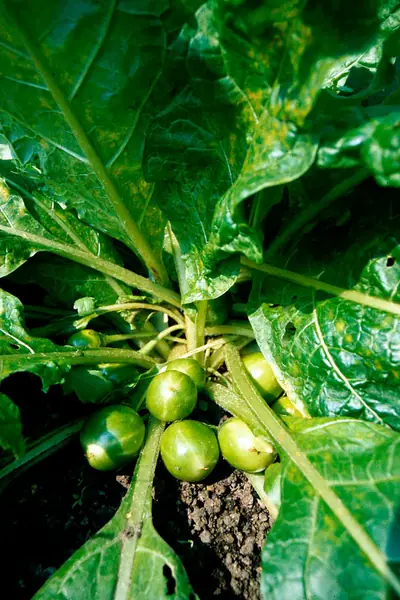 Mandragora officinarum (Mandrake)
 The Love Charm (1921) - 2
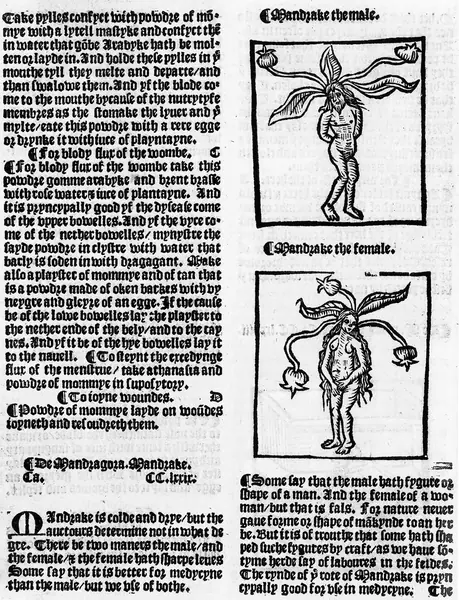 M0017586: The male and female mandrake, c.1529
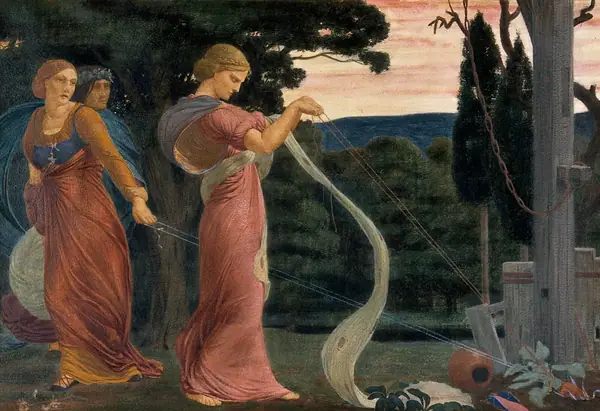 Three people plucking mandrake. Gouache by Robert Bateman, 1870.
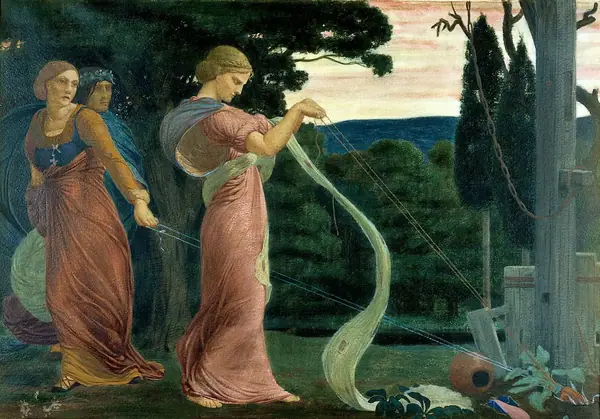 Three people plucking mandrake. Gouache by Robert Bateman, 1870.
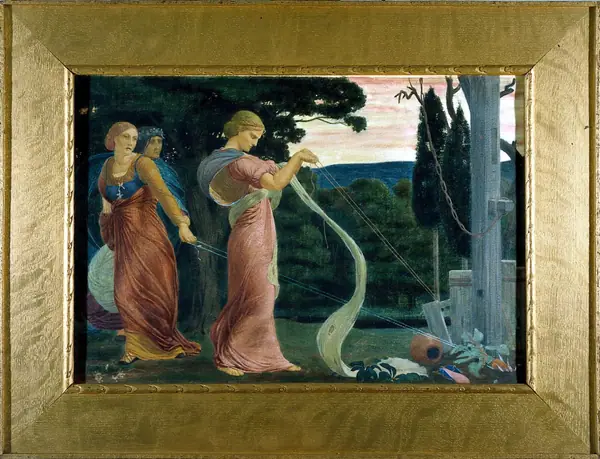 Three people plucking mandrake. Gouache by Robert Bateman, 1870.
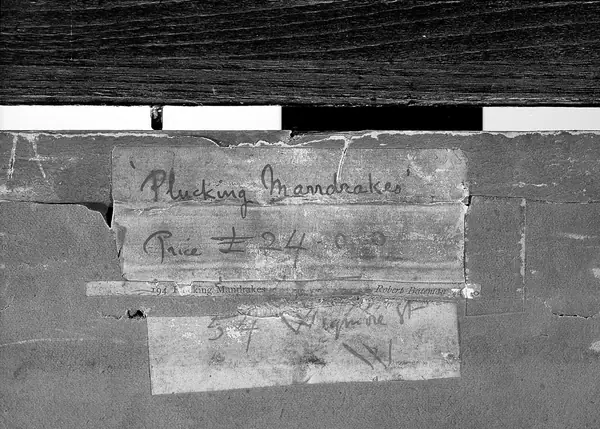 Three people plucking mandrake. Gouache by Robert Bateman, 1870.
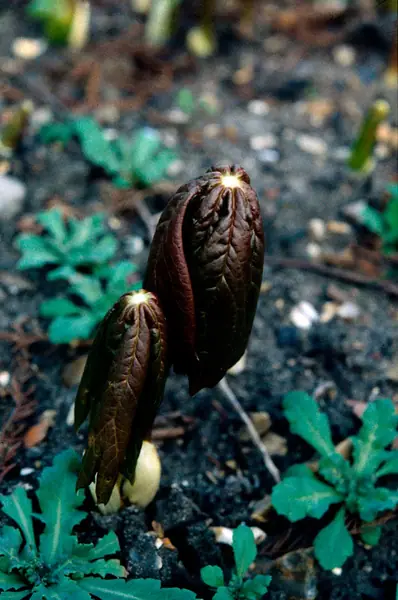 Podophyllum peltatum (American mandrake). Also known as 'May apple'.
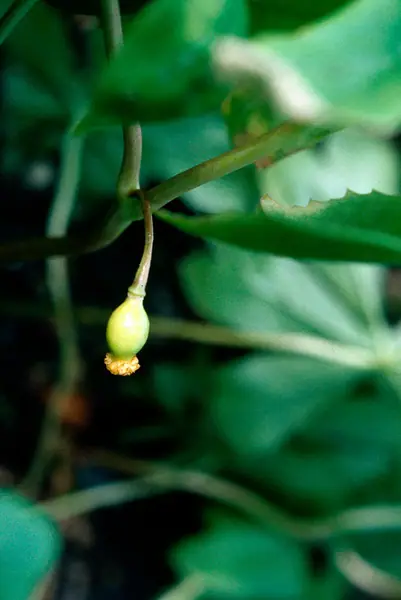 Podophyllum peltatum (American mandrake). Also known as 'May apple'.
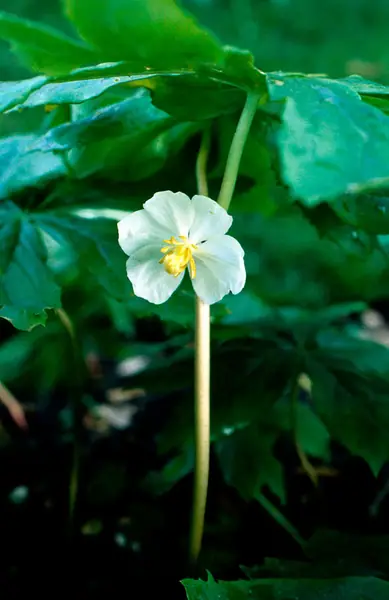 Podophyllum peltatum (American mandrake). Also known as 'May apple'.
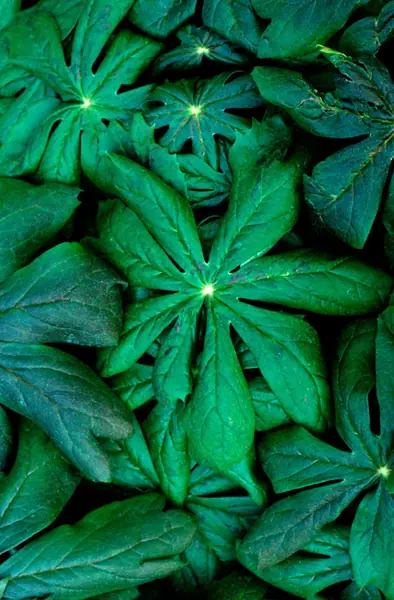 Podophyllum peltatum (American mandrake). Also known as 'May apple'.
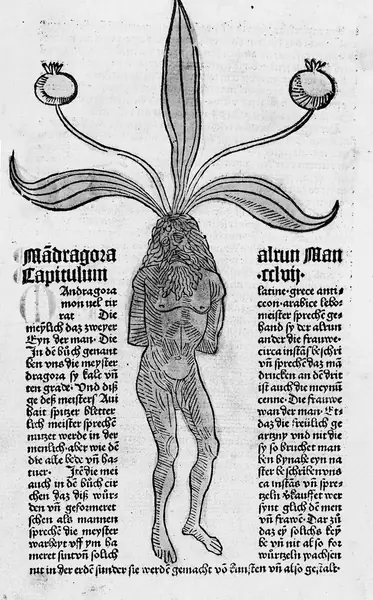 M0017587: The mandrake from Hortus Sanitatis , 1485
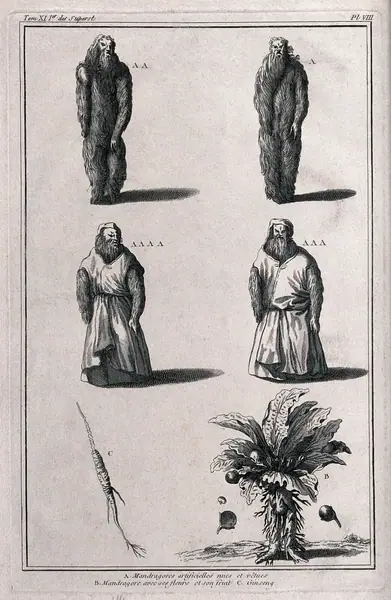 Mandrake roots in the form of human figures, both naked and clothed; the mandrake plant itself (Mandragora officinarum L.); and a root of ginseng (Panax quinquefolius L.). Engraving.
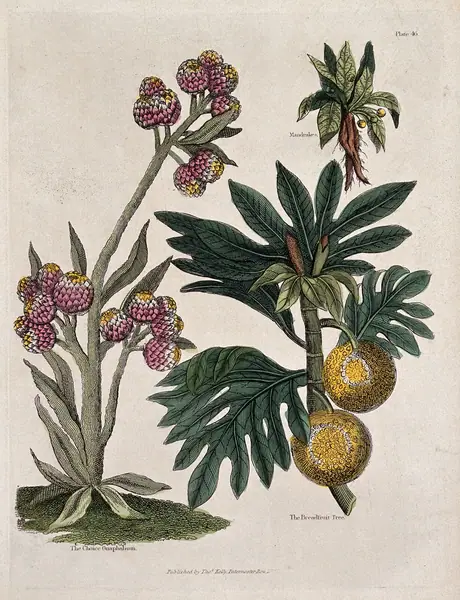 A cudweed plant (Gnaphalium species), mandrake plant (Mandragora officinarum) and breadfruit tree (Artocarpus atilis). Coloured engraving, c. 1827.
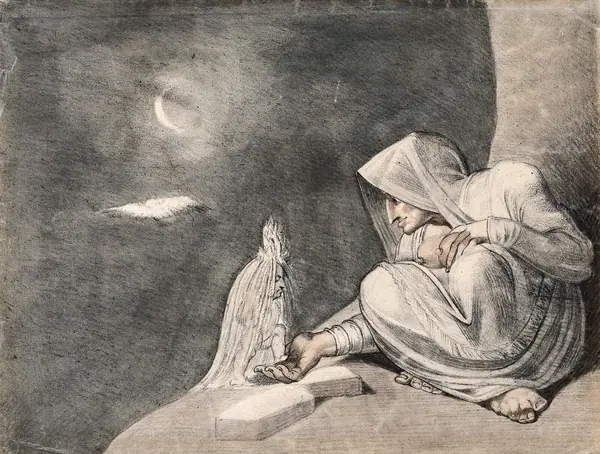 A witch in the moonlight, opening her hand to a mandrake plant dressed in a white veil. Drawing by or after H. Fuseli.
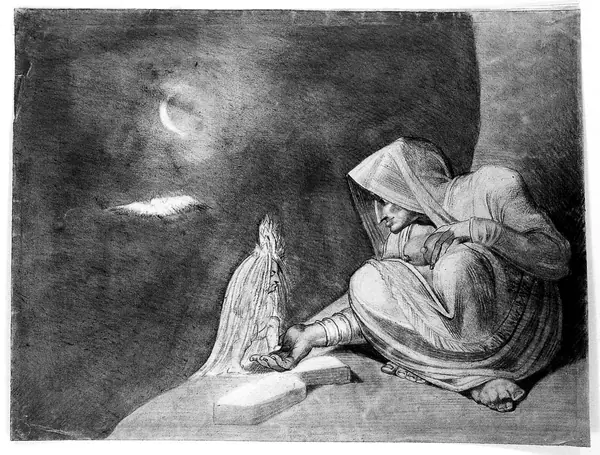 A witch in the moonlight, opening her hand to a mandrake plant dressed in a white veil. Drawing by or after H. Fuseli.
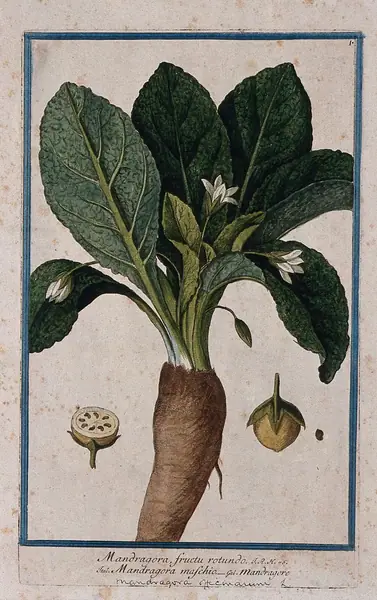 Mandrake (Mandragora officinarum L.): flowering plant with separate fruit, seed and sectioned fruit. Coloured etching by M. Bouchard, 1772.
More from Sexual & Erotic Charms: Fascinum & phallic charms · Tintinnabula (charm wind-chimes) · Egyptian & Graeco-Egyptian fertility figures · Priapus & Roman erotica · Sheela-na-gigs & exhibitionist figures · Palad khik (phallic charms) · Chinese “spring” coin charms · Other & unsorted Sexual
Every type in the gallery
Anything in the gallery can be made, by hand, in the prescribed metal or yours and, where the tradition names an hour, at that hour or with a plain note that it was not. Numbered. Price on commission, quoted first. I reply within one business day.