Fascinum & phallic charms
Meaning
The fascinum is the divine phallus, embodiment of the god Fascinus. It stands for male potency, fertility and life, and its sight 'fascinates' and deflects the evil eye. It is often combined with a fig-hand gesture (mano fico) and wings or legs.
Intent
Worn as a pendant by boys, soldiers and others, hung on children's necks with the bulla, fixed on horse harness, carved over doors and bridges, and placed in houses, it drove off the evil eye (invidia) and misfortune through laughter and shock.
Significance
The Romans took it very seriously: Pliny says the fascinum protected infants and even the triumphing general's chariot. It is one of the most common Roman small finds, and its logic survives in the Italian horn and fig-hand.
History
Phallic amulets appear in Etruscan and Roman contexts from the 3rd century BCE and are very common across the Empire in the 1st–3rd centuries CE, in bronze, bone, gold and silver.
Making yours
2–8 cm cast bronze. Classic triple type: phallus, fig-hand and phallic tail, with a central ring. Bone and silver versions exist.Sexual & Erotic Charms: the tradition
Sexual imagery is one of the oldest and most universal forms of protection. Fertility is life itself, and the exposed phallus or vulva was believed to shock, amuse or distract malevolent forces, especially the evil eye. Egypt had its ithyphallic gods, Rome its fascinum on every child, doorway and chariot, medieval Europe its obscene badges and sheela-na-gigs, Thailand and Japan their phallic shrines and charms, China its 'spring palace' coins for newlyweds. Victorian collectors hid much of this material in 'secret museums' such as the Gabinetto Segreto in Naples and the British Museum's Secretum, and only in the late 20th century was it studied openly as religion and social history.
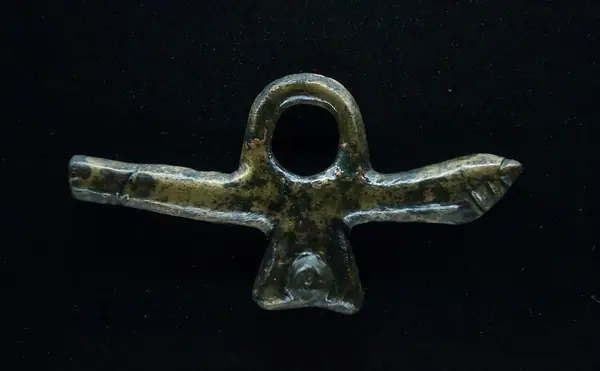 Amuleto fálico de bronce. Siglos II-III d. C. Museo de Historia de ValenciaSpain
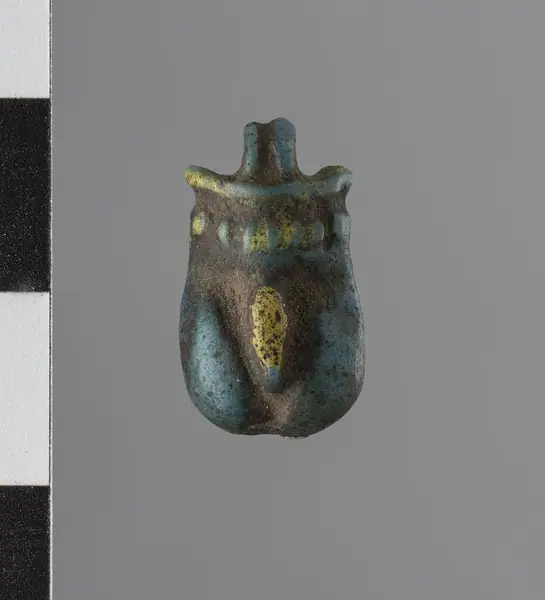 Amulet depicting a phallus title QS:P1476,en:"Amulet depicting a phallus " label QS:Len,"Amulet depicting a phallus " label QS:Lit,"Amuleto raffigurante un fallo"between 30 BC and 395 Roman Egypt Era (30 BC date QS:P,-0030-00-00T00:00:00Z/9 –395)
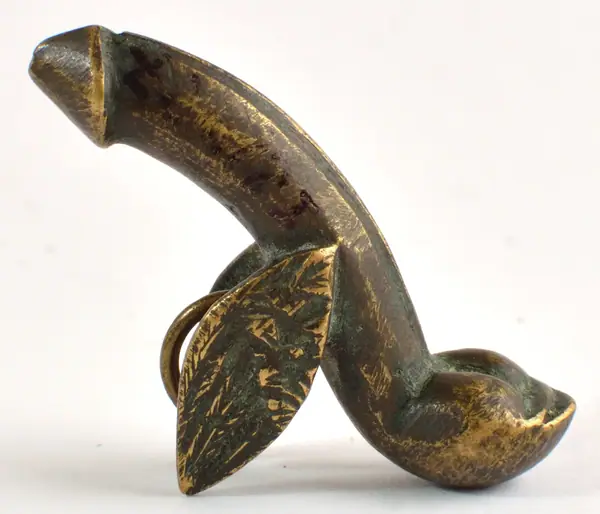 amuletă în formă de phallusRomania
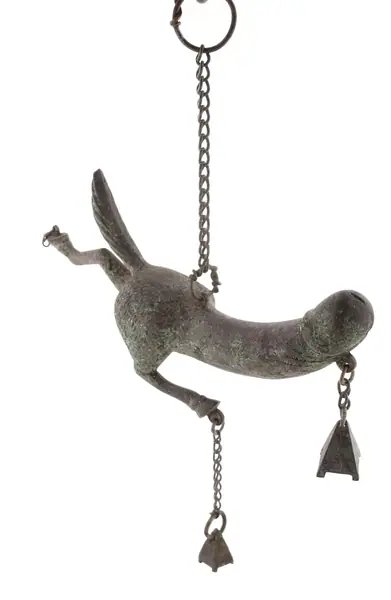 Graeco-Roman phallic amulet
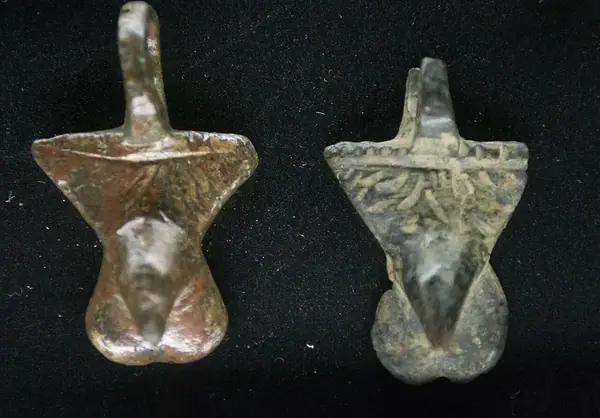 Amuletos fálicos de bronce. Siglos II-III d. C. Museo de Historia de ValenciaSpain
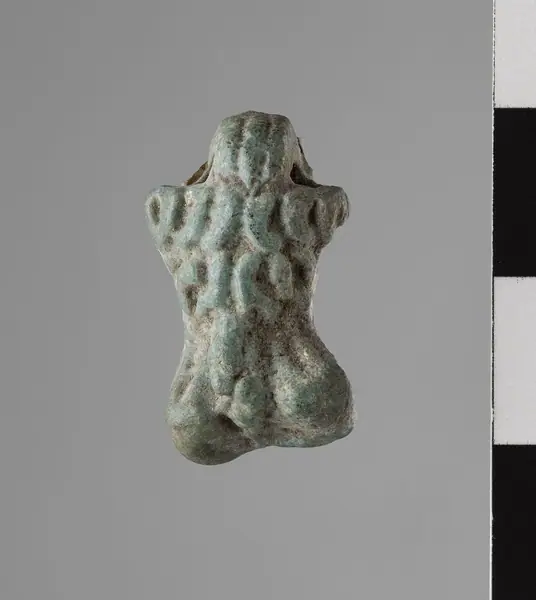 Amulet depicting a phallus (?) title QS:P1476,en:"Amulet depicting a phallus (?) " label QS:Len,"Amulet depicting a phallus (?) " label QS:Lit,"Amuleto raffigurante un fallo (?)"between 332 BC and 395 Egyptian Hellenistic period (323 BC date QS:P,-0323-00-00T00:00:00Z/9 –30 BC date QS:P,-0030-00-0
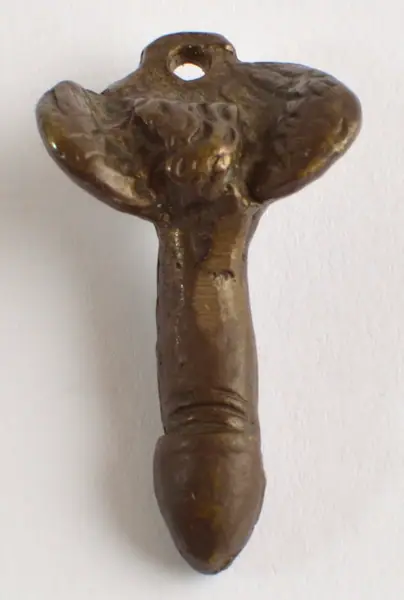 amuletă de bronz în formă de phallusRomania
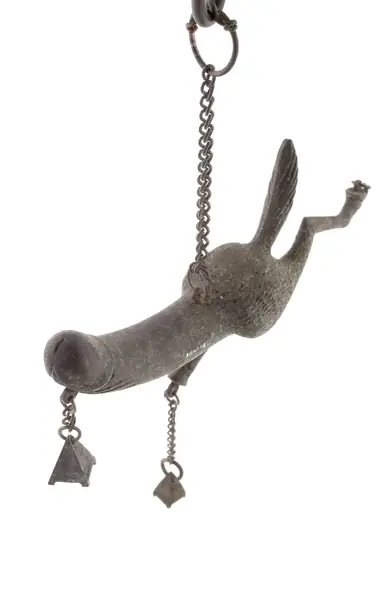 Graeco-Roman phallic amulet
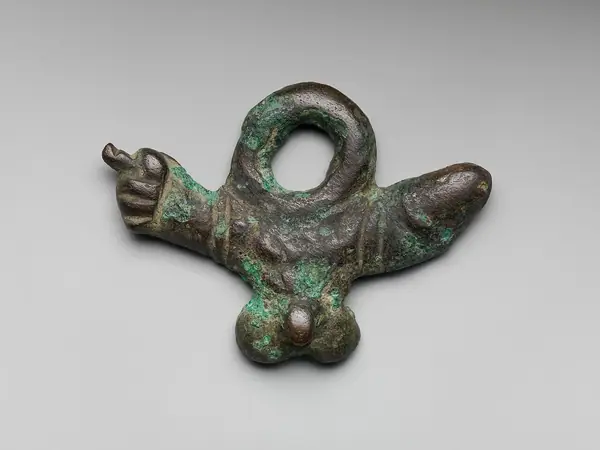 Bronze phallic amulet1 st century AD date QS:P571,+050-00-00T00:00:00Z/7
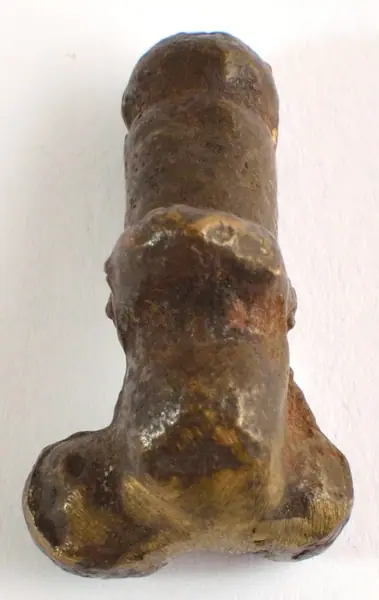 amuletă în formă de phallusRomania
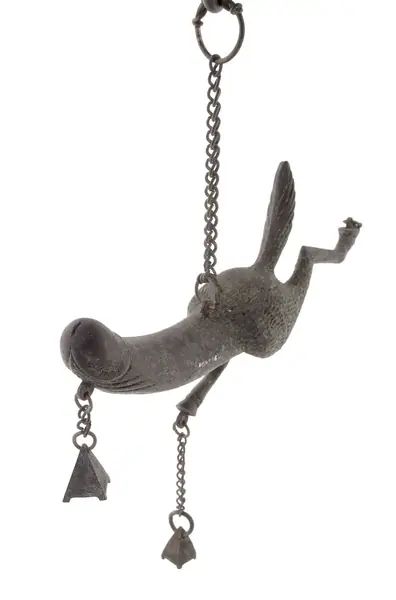 Graeco-Roman phallic amulet
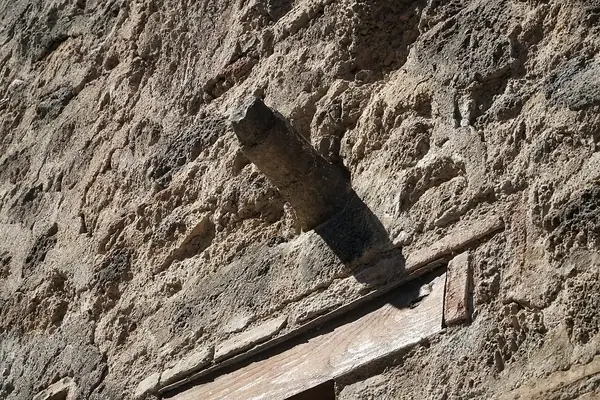 Fascinum relief, Pompeii
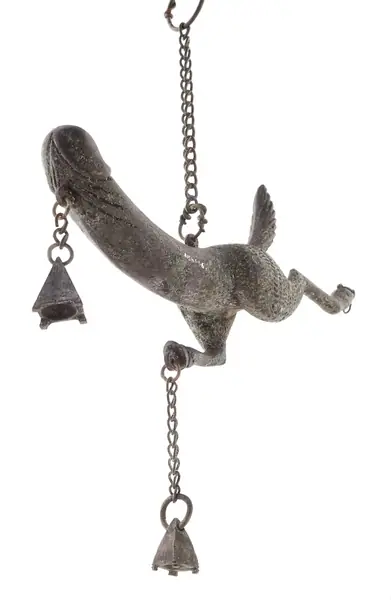 Graeco-Roman phallic amulet
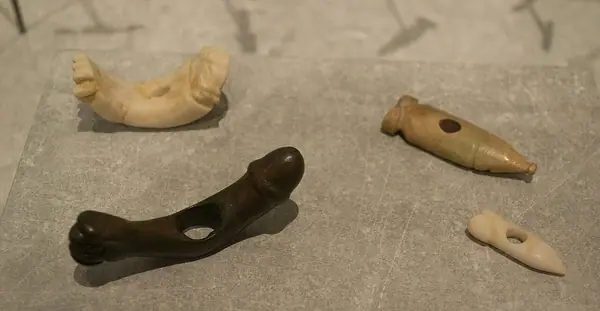 Amuletos fálicos utilizados como colgantes
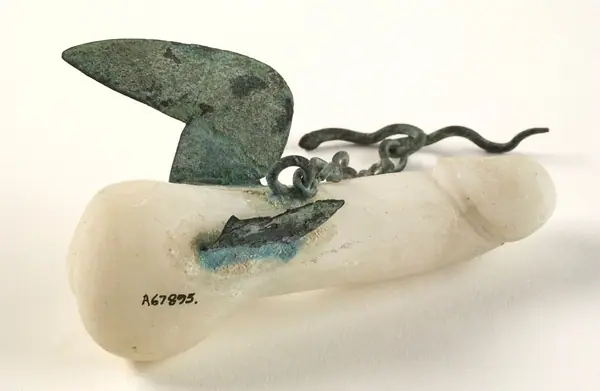 A Graeco-Roman phallic amulet made from alabaster with bronze wings, Pompeii, 100 BC - AD 100
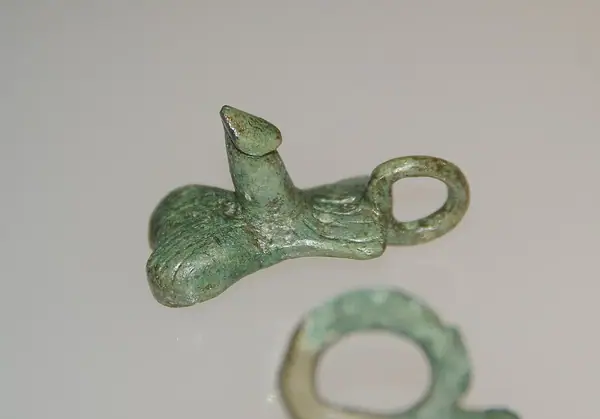 D. Diogo de Sousa Museum in Braga Portugal
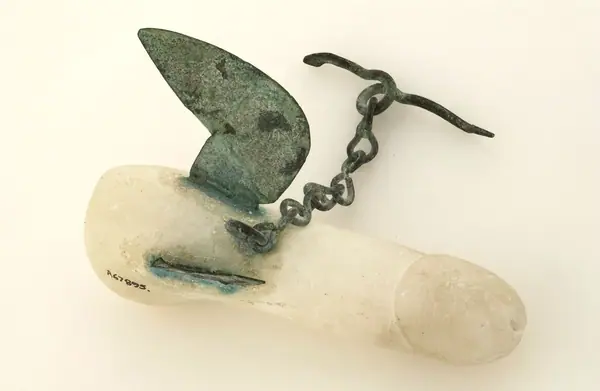 A Graeco-Roman phallic amulet made from alabaster with bronze wings, Pompeii, 100 BC - AD 100
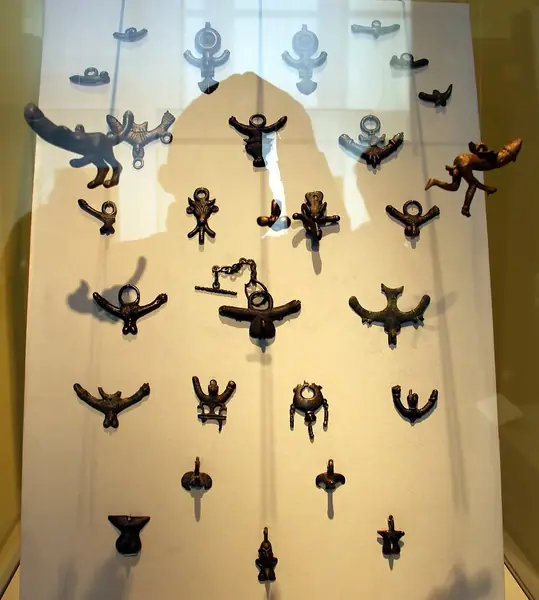 Tintinnambula e campanelli a forma di fallo, italia, I-III sec.
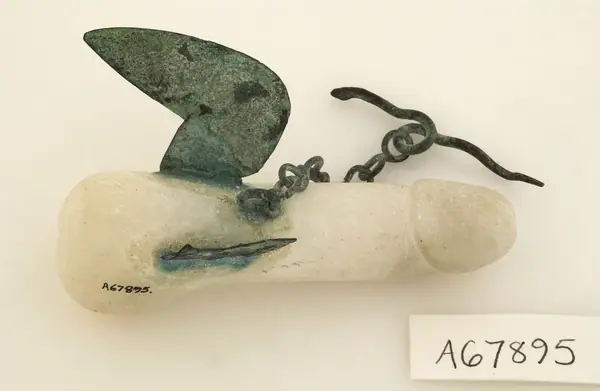 A Graeco-Roman phallic amulet made from alabaster with bronze wings, Pompeii, 100 BC - AD 100
 Ever-present phallic good luck relief above a bakery oven at IX 1,3 Pompeii Prowalk1st century BCE - 1st century CE
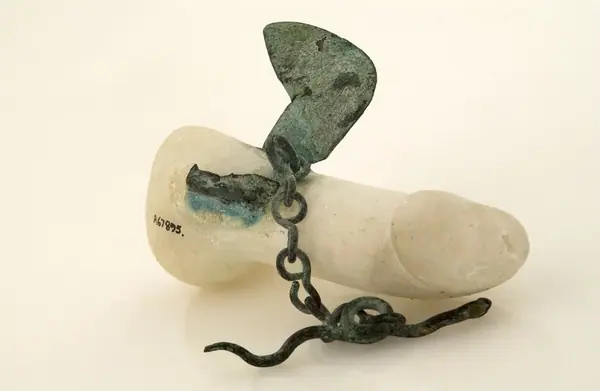 A Graeco-Roman phallic amulet made from alabaster with bronze wings, Pompeii, 100 BC - AD 100
 Priapus on the door post of Bakery VII 1,36 Pompeii Prowalk1st century BCE - 1st century CE
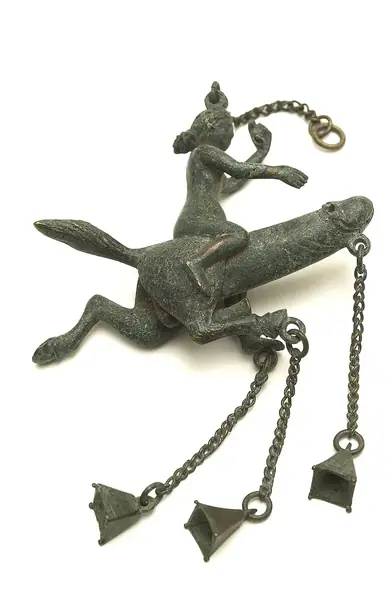 Graeco-Roman bronze phallic pendant.between 100 BC and 400 AD
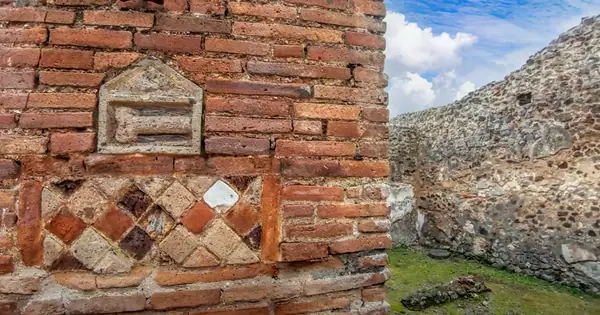 Phallic relief for good luck on right hand door post of Bakery at Reg 7 1,36 Pompeii Prowalk1st century BCE - 1st century CE
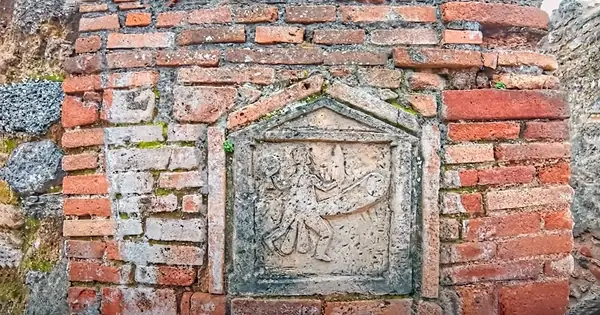 Closeup of Priapus Relief on door post of Bakery at Reg 7 1, 36 Pompeii Prowalk1st century BCE - 1st century CE
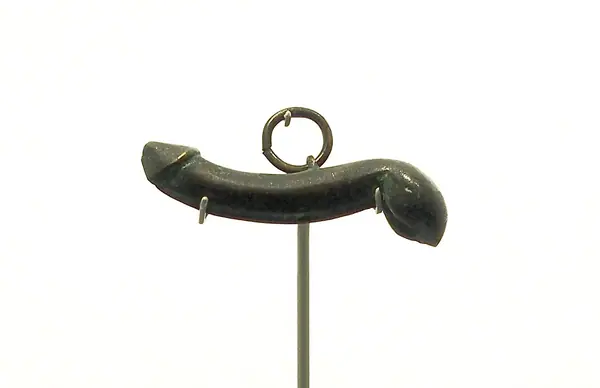 Amulette en pendentif de forme phallique
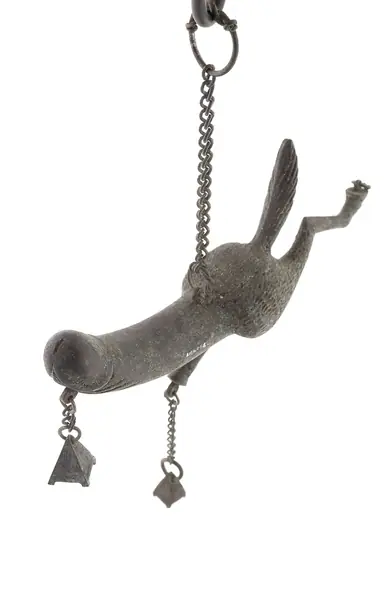 Graeco-Roman phallic amulet
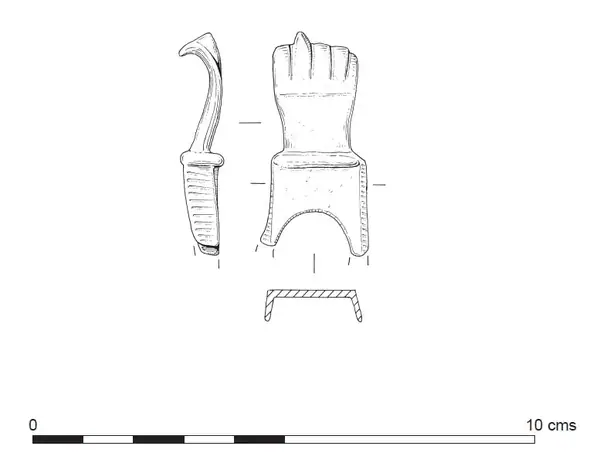 Manus Fica amulet
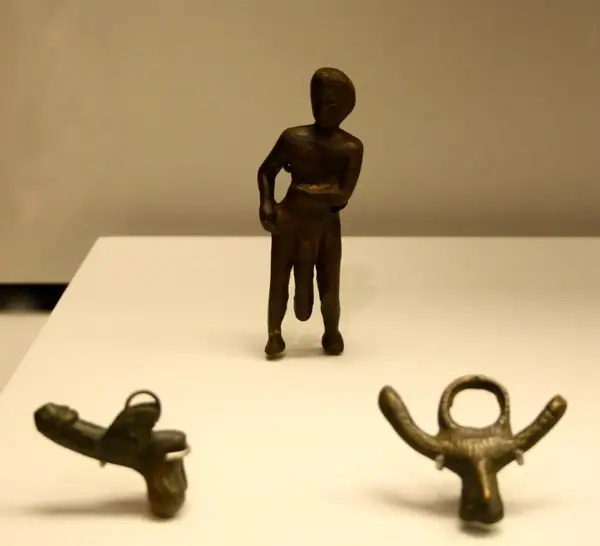 Objetos priápicos - Museo Arqueológico de Córdoba
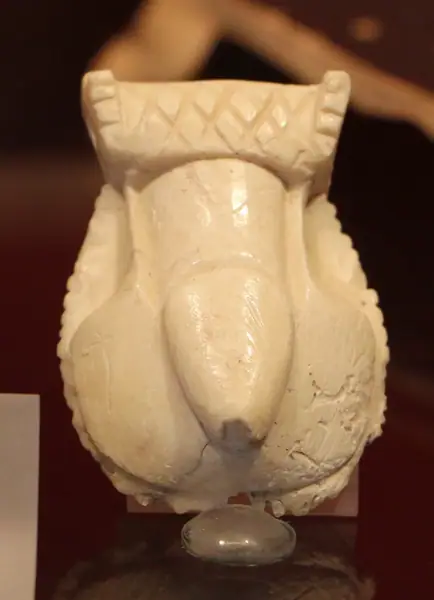 Pendaglio apotropaico in avorio a forma di pene, IV-III sec. ac. ca., da cinta muraria di roselle
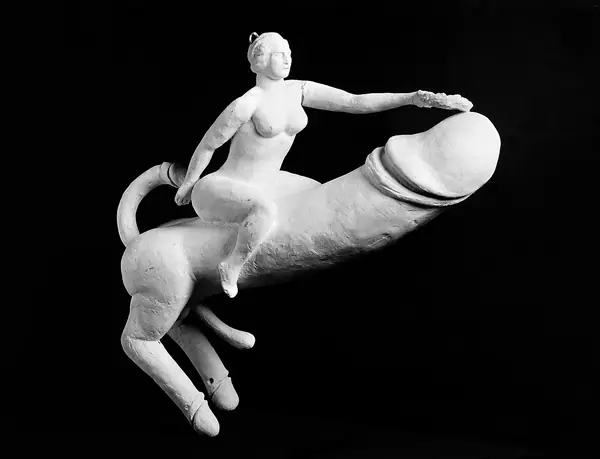 Phallic object. large plaster female figure.
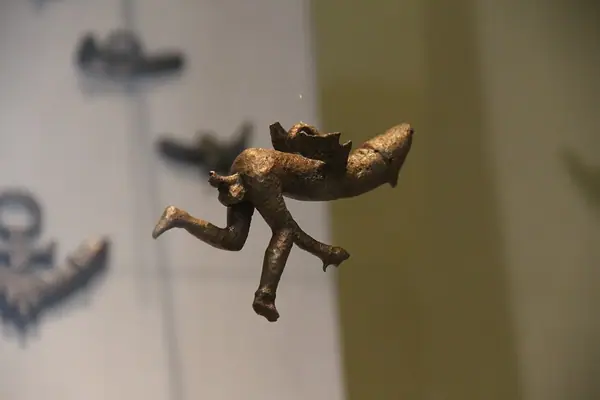 Roman Bronze Bell or Wind Chime in the shape of a phallus, Italy, 1st-3rd C. AD (28629794952)
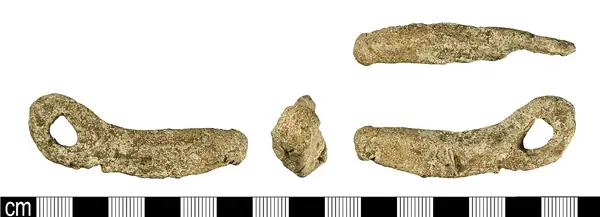 Roman cosmetic pestle/phallic amulet (probably)
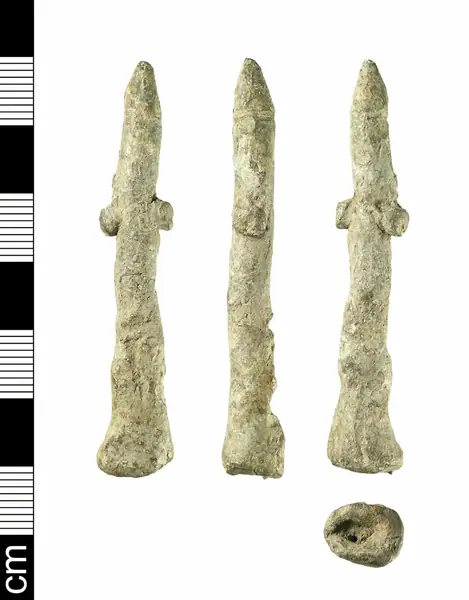 Roman phallic amulet
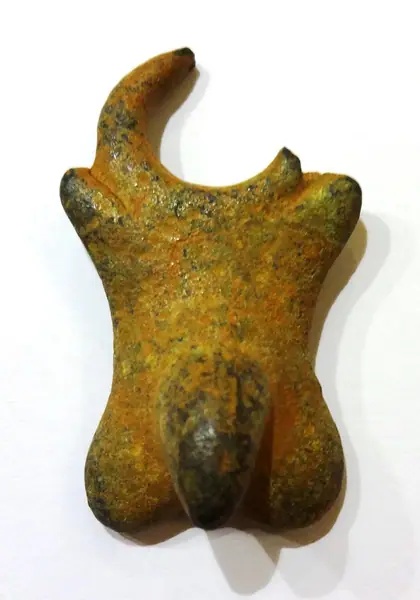 Römisches Amulett mit männlichen Genitalien
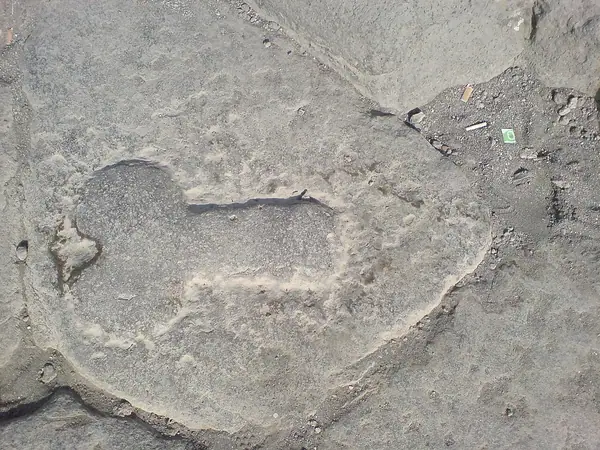 Señal (Signale) - Pompeii
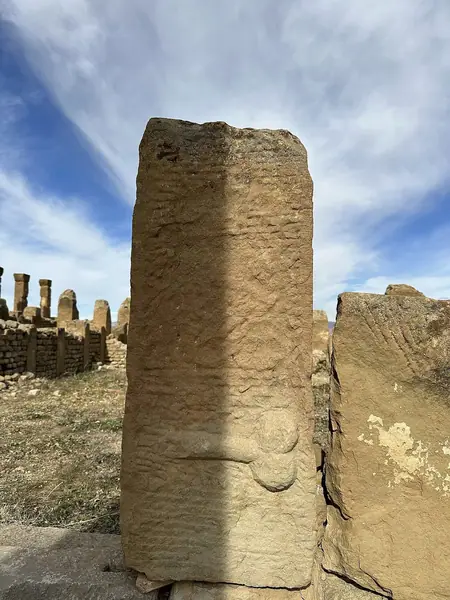 Stone Marker with Carved Phallic Symbol – Timgad, Algeria 5
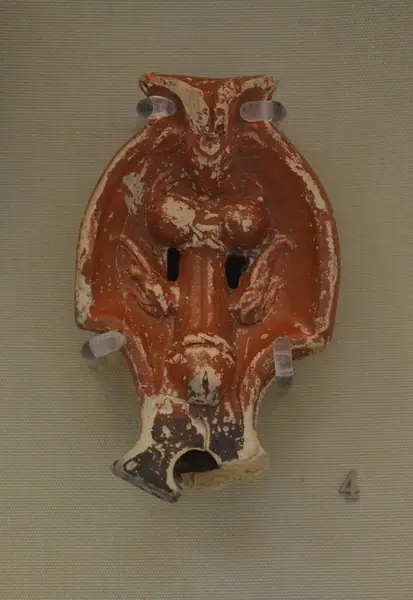 Terracotta lamp decorated with a winged phallus, made in central Italy, about 50 BC
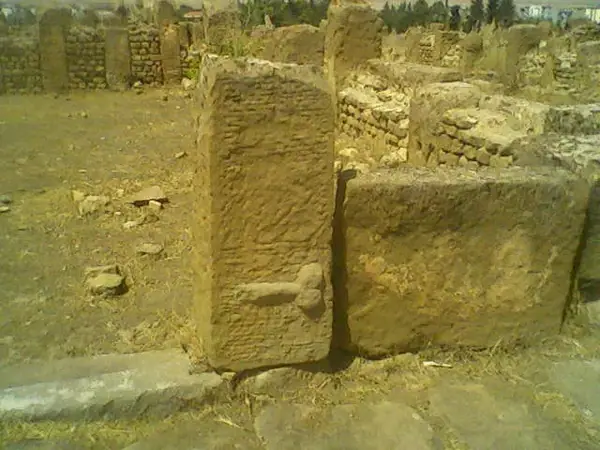 Une sculpture en forme de pénis a Timgad, Wilaya de Batna
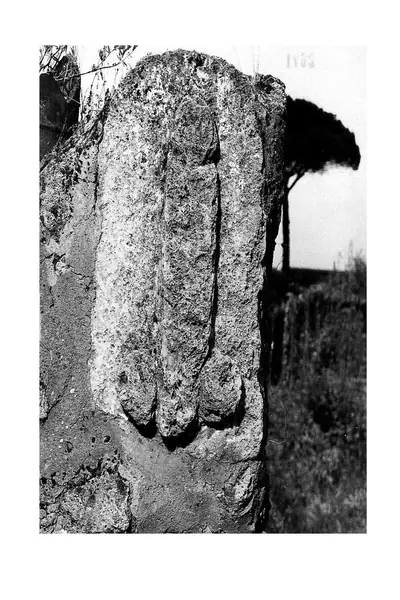 Falo en piedra de Pompeya
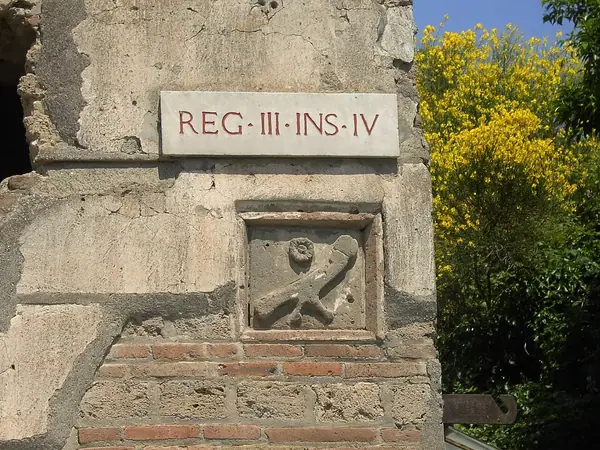 Freudenhaus
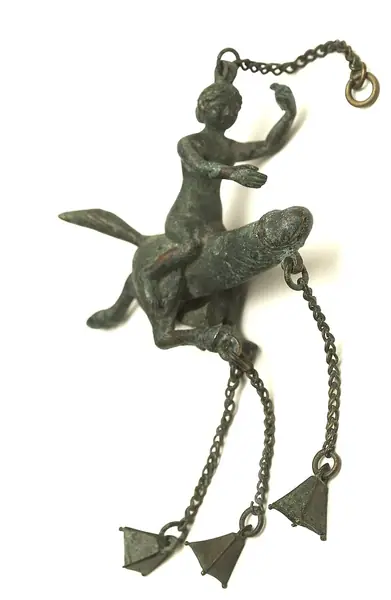 Graeco-Roman bronze phallic pendant.
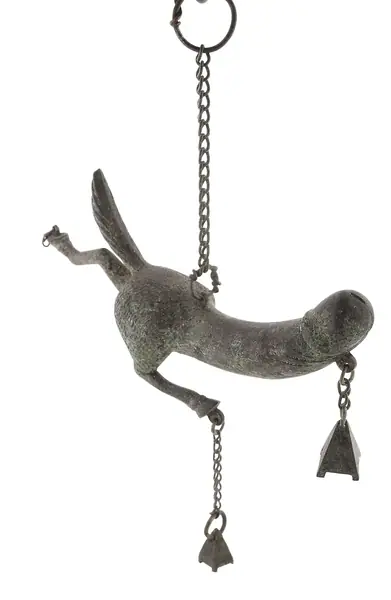 Graeco-Roman phallic amulet
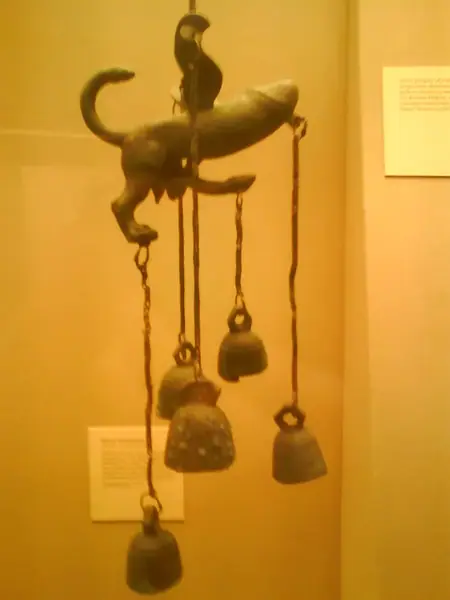 Ithyphallic tintinnabulum
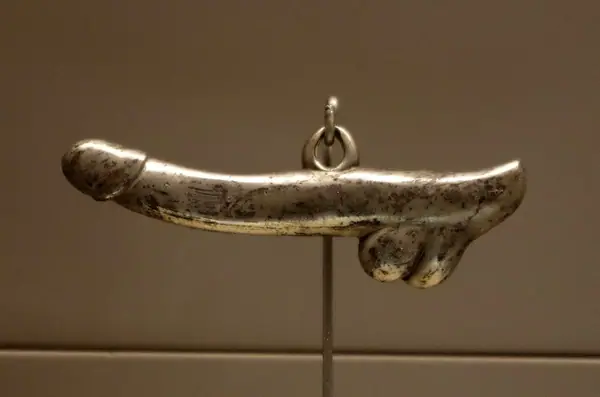 Leon 32 museo by-dpc
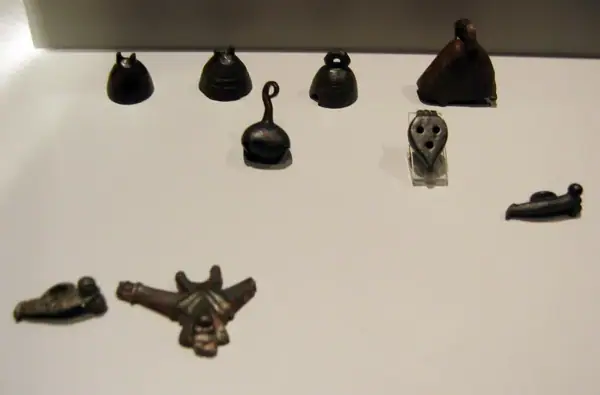 Palencia Museo Arqueológico 002
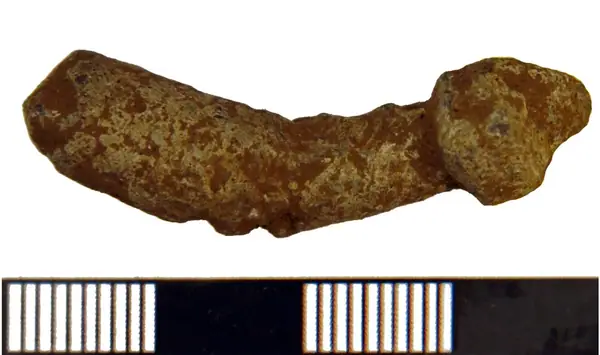 Phallic amulet : Roman
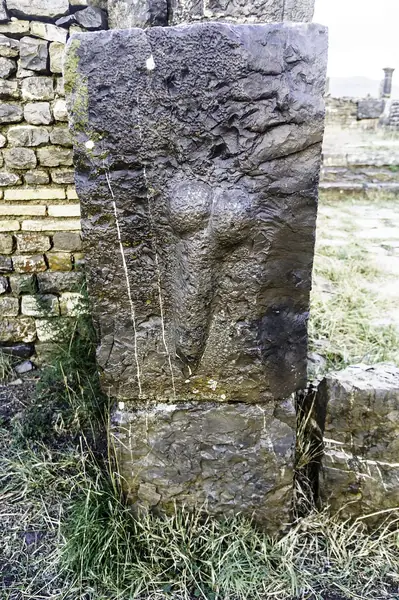 Phallus - Djémila (15243908473)
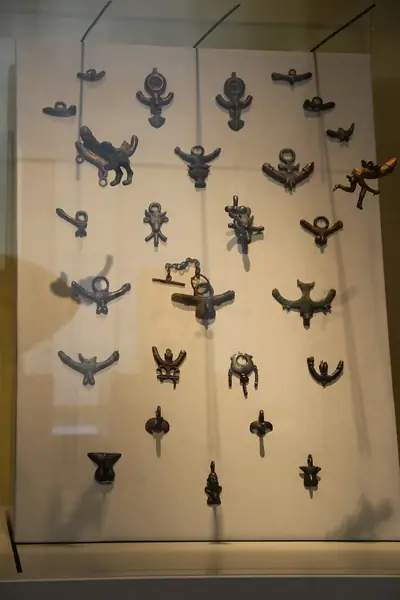 Roman Bronze Bells or Wind Chimes in the shape of a phallus, Italy, 1st-3rd C. AD (28629796532)
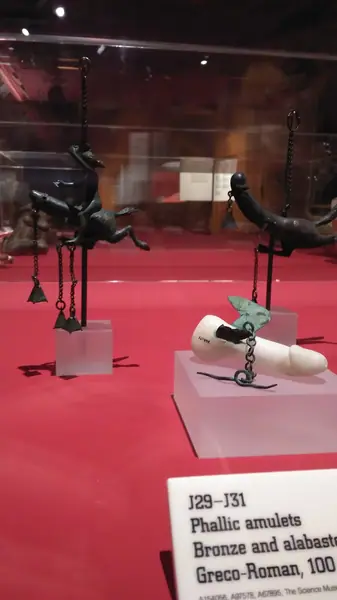 Roman tintinnabula in the Welcome Collection
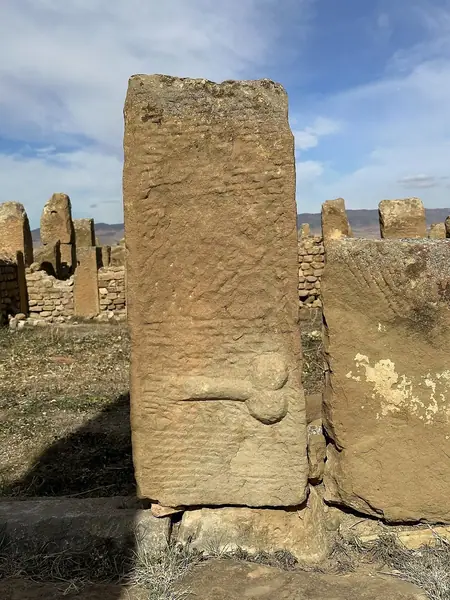 Stone Marker with Carved Phallic Symbol – Timgad, Algeria 1
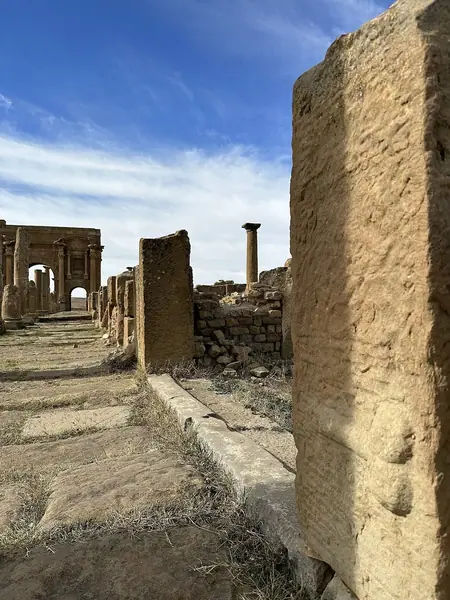 Stone Marker with Carved Phallic Symbol – Timgad, Algeria 7
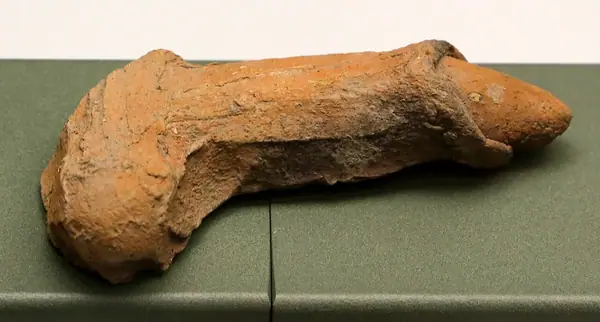 Amuleto a forma di fallo di cane, in ceramica comune, dal cantiere delle navi a pisa, II-III secolo dc
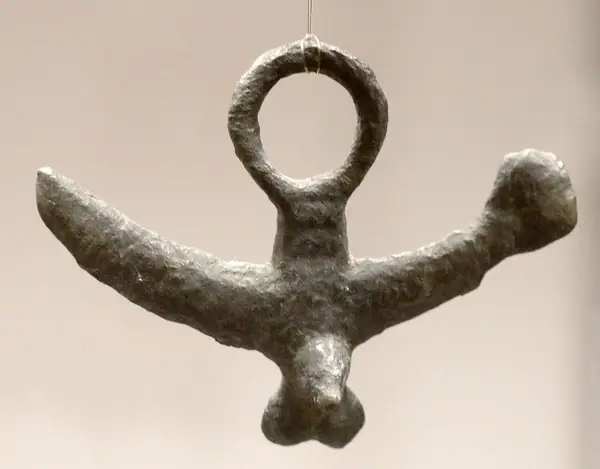 Amuleto fallico a mezzaluna, con gesto delle fiche, I-II secolo dc
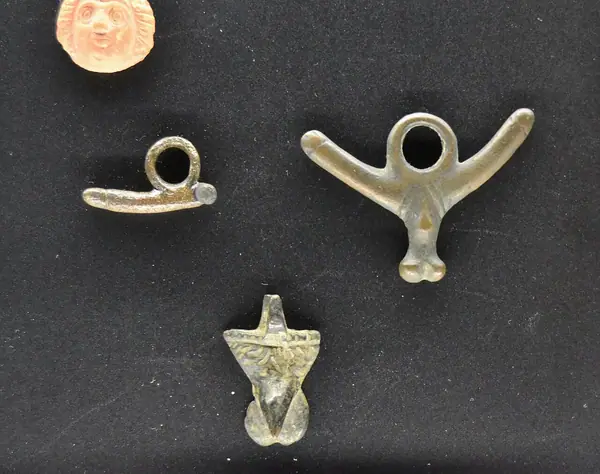 Amulets fàl·lics, segles II-II dC. Museu d'Història de València
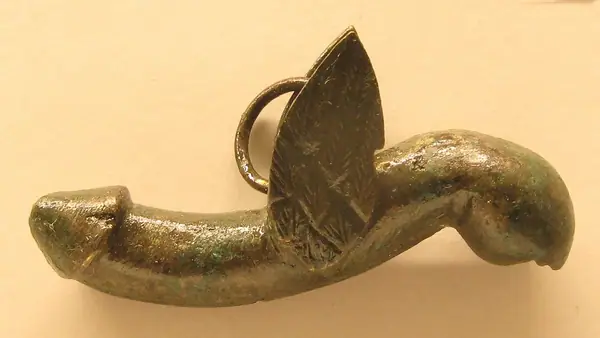 Antica roma, amuleto a forma di fallo con ali (fascinum), da pompei
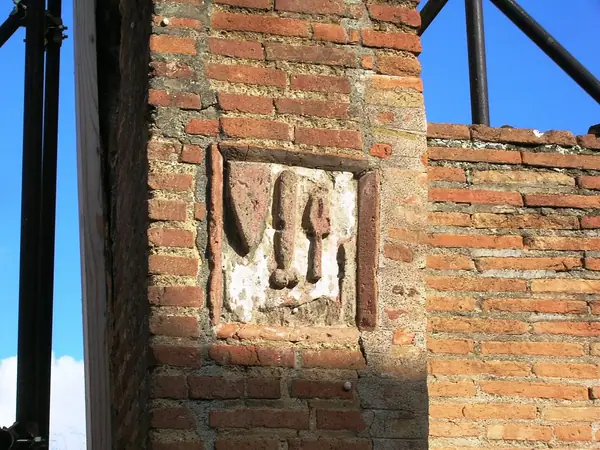 Bottega di L. Livi Firmi 1
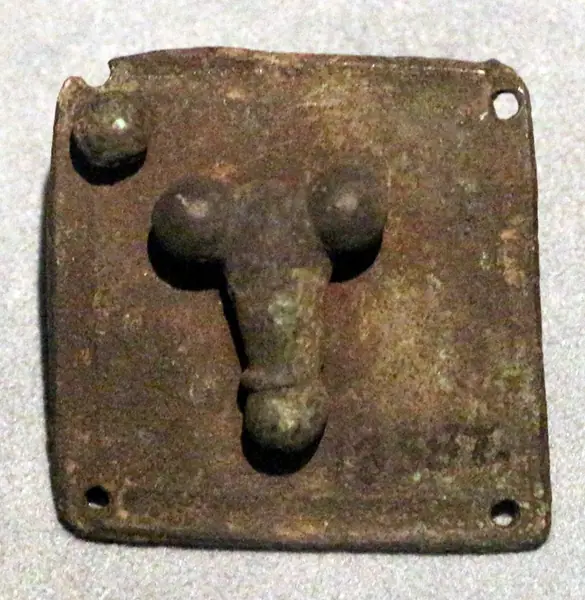 Epoca romana, amuleto con piccolo fallo portafortuna
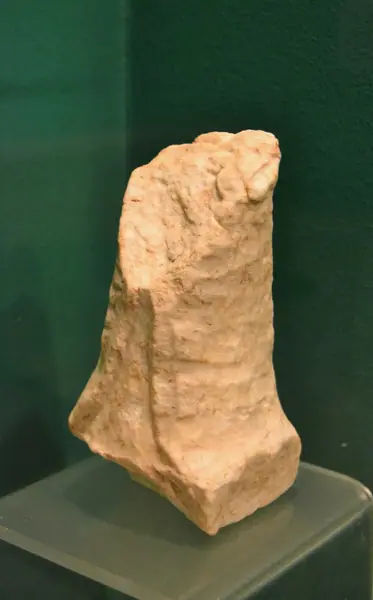 Escultura fàl·lica de marbre blanc, vil·la romana de l'Ènova
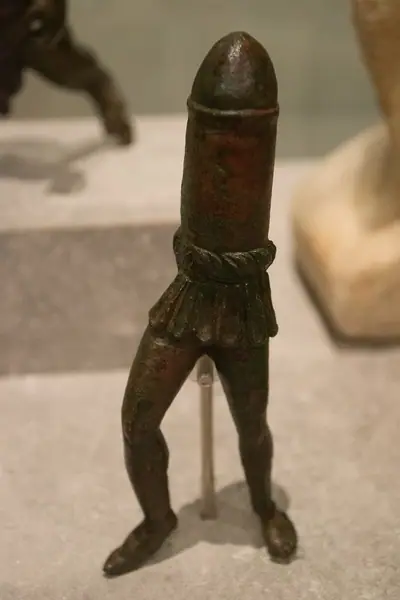 Exvoto o amuleto fálico. Museo de Arqueología de Cataluña (Gerona)
More from Sexual & Erotic Charms: Tintinnabula (charm wind-chimes) · Egyptian & Graeco-Egyptian fertility figures · Priapus & Roman erotica · Sheela-na-gigs & exhibitionist figures · Palad khik (phallic charms) · Chinese “spring” coin charms · Love charms & aphrodisiac talismans · Other & unsorted Sexual
Every type in the gallery
Anything in the gallery can be made, by hand, in the prescribed metal or yours and, where the tradition names an hour, at that hour or with a plain note that it was not. Numbered. Price on commission, quoted first. I reply within one business day.